

You can validate a business idea for $0 by proving three things with real people: the problem is painful, the buyer already spends time or money dealing with it, and they will take a measurable next step before anything gets built.
This guide shows how to run no-budget interviews, recruit the right people even with no audience, test demand with a simple landing page, and track commitment signals that keep you honest. When this is done well, you exit with a clear go or no-go, a tighter offer, and a short list of early users who already want the outcome.
How Can You Validate A Business Idea Without Spending Money?
Validation without cash starts by replacing opinions with evidence. That evidence comes from behavior: people describing a recurring pain in their own words, admitting what it costs them, and taking a step that creates friction for them. If the only data collected is “Sounds cool,” the idea is still unvalidated, even if the feedback feels positive.
Keep the target narrow. One customer type, one primary pain, one clear outcome. Broad ideas feel big, yet they are hard to validate because every conversation points in a different direction, and the signal gets diluted by variety.
Use a simple ladder of proof that does not require payment. A stranger agrees to a short call, then agrees to a follow-up, then introduces a colleague, then shares a real workflow or sample data, then books time on a calendar, then commits to a pilot date. Money is a strong signal, yet time, workflow change, and referrals are still real signals when budgets are zero.
Make the “solution” manual at the start. Deliver the outcome by hand, with a spreadsheet, Notion page, email sequence, checklist, or a one-time audit. If the outcome is valuable, people will keep showing up, and the manual delivery will reveal what must be built later and what should be cut.
What Should You Ask In Customer Interviews To Know If The Problem Is Real?
Customer interviews fail when they turn into pitching. When people sense a pitch, they protect feelings, offer compliments, and hide buying objections. The goal is a behavioral map: what happened the last time the problem occurred, what actions were taken, and what trade-offs were accepted.
Ask for the most recent occurrence. Get a timeline: what triggered the issue, what steps were taken, how long it took, where it broke, and who else got pulled into it. Then ask what it cost: time lost, delays created, revenue missed, risk increased, or morale damaged. Keep the conversation in facts and actions, not preferences.
Pressure-test urgency without selling features. Ask what they have tried, why it failed, what they pay for today, and what they refuse to change. If there is no current workaround, no budget line, and no time allocation, the problem may not be important enough to support a business.
Close interviews with a non-sales commitment request. Ask for a referral to someone else with the same problem, permission to follow up with a draft offer, or a calendar hold for a pilot start date. The response to that request is often more valuable than the entire conversation.
How Do You Find People To Interview If You Have No Audience Or Network?
You do not need an audience, you need access. Access comes from going where the exact customer already gathers and approaching them with a low-friction request. Online communities, professional groups, subreddits, and LinkedIn are enough to recruit the first 20 conversations if outreach is specific and respectful.
Start with roles, not demographics. Pick a job title, company type, and a scenario where the pain happens. Then search for people who publicly discuss the work: posts, comments, job openings, tool discussions, or community threads. People who talk about the work are easier to interview than people who never mention it.
Use a tight outreach note. State the role being researched, name the exact workflow or pain area, and ask for 10 minutes. Promise no pitch, then keep that promise. A short call with precise questions has a higher acceptance rate than a vague “Can you give feedback on a startup idea?” request.
When the first calls happen, turn every conversation into two more. Ask for introductions to peers who face the same issue. Referrals carry trust, and trust reduces the time it takes to recruit. After 10 interviews, a healthy referral loop should exist if the target is right.
Is A “Coming Soon” Landing Page And Waitlist Actually Valid Validation?
A landing page is a valid tool when it measures intent and not curiosity. A “Join the waitlist” button can be useful, yet it becomes meaningful only when the message is specific, the audience is targeted, and the page asks for a real next step. A generic waitlist with generic traffic produces numbers that feel good and teach very little.
A no-budget landing page works when it sells an outcome, names the customer, and sets a clear promise. It also works best when it is paired with a concrete offer: book a short call, request early access, apply for a pilot, or answer a short qualifier. That single step turns a passive signup into an action with cost.
Keep the page simple: one headline that names the result, three bullets that explain how the result happens, one proof element from interviews, and one call to action. Proof can be a quote, a result from manual delivery, or a short “built with input from [role] teams” line. Avoid a long feature list; features belong after demand exists.
Measure the right conversion, not page views. If traffic is not targeted, conversion rates are noise. If traffic is targeted and conversion is still weak, the page is still valuable because it shows the offer is unclear, the pain is not urgent, or trust is missing.
What Metrics Should You Track When Validating So You Don’t Fool Yourself?
Validation metrics must represent commitment. Compliments, likes, and “Cool idea” messages do not predict revenue. Track actions that cost the other person time, reputation, or a change in routine.
Use a simple scorecard across every channel. Track: outreach sent, replies received, interviews booked, interviews completed, follow-up accepted, referrals given, waitlist signups from targeted visitors, call bookings, and pilot requests. The moment a metric drops, the reason is usually clear: audience mismatch, weak problem, vague promise, or low trust.
Watch for the biggest self-deception trap: counting activity as progress. A week of building slides and a week of “research” can feel productive without producing a single commitment signal. A tight scorecard forces reality. If nobody books time, nothing is validated, no matter how polished the idea sounds.
Set decision thresholds before collecting data. Decide what “good enough” looks like for your stage: 15 interviews completed, five people agreeing to a follow-up, three people willing to share real artifacts, or two pilot candidates willing to commit to a start date. Pre-deciding thresholds prevents moving the goalposts when feedback becomes uncomfortable.
What Are The Best $0 Validation Methods If You Can’t Build An MVP?
If building is not possible yet, sell the outcome and deliver it manually. This is the fastest route to truth because it forces clarity: the buyer must state what they want, and the delivery process reveals what matters. Manual delivery also trains the offer language that will later power ads, landing pages, and sales calls.
Start with a concierge MVP. You perform the work yourself, using whatever tools are available for free. The goal is not scale, it is insight. Track which parts of delivery feel repetitive, which steps create the result, and which steps buyers ignore or refuse. That becomes the product roadmap based on reality, not guesses.
Use a “fake door” test when a product already exists or when a simple page can be inserted into a workflow. Put a button that promises a result, then measure clicks and downstream actions. Do not stop at clicks; add a follow-up step that creates friction, like an email confirmation, a short form, or a calendar booking request.
Use a solution prototype when you need to sell clarity. A prototype can be slides, a Notion dashboard, a spreadsheet, or a short walkthrough video. It helps the buyer visualize the outcome and helps you collect precise objections. If people cannot explain what they would do with the result or how it fits their workflow, the offer still needs tightening.
Keep a disciplined sequence: interview for pain, prototype the outcome, deliver manually, then automate only what buyers repeatedly value. This sequence protects time and prevents building features that never get used.
Validate A Business Idea For $0
- Run 15–20 problem interviews
- Confirm current workaround and cost
- Offer a manual pilot
- Measure commitments: calls, referrals, workflow change
Turn Validation Into A Decision And A Waiting List Of Real Buyers
Validation without spending money works when every step demands proof, not encouragement. Focus on a single buyer type, uncover the exact moment the pain hits, and document what they already do to handle it. Use interviews to earn behavioral truth, then pair that truth with a landing page or manual pilot that measures commitment. Track actions that cost the other person time and follow-up energy, and set decision thresholds before the first call is booked. When the signals line up, move forward with confidence, and when they do not, cut fast, adjust the target, and re-test with a tighter offer.
References
- Entrepreneur: How to Validate Your Business Ideas Without Spending a Dime
- Sherakat Network (2025): How to Validate a Startup Idea: A Step-by-Step Guide
- Platvix: Validate Your Startup Idea with a Landing Page (Before Building Anything)
- Reddit r/Entrepreneur: How do you validate a business idea?
- Reddit r/SaaS: What’s the most important things when validating your idea
- Reddit r/Entrepreneur: How do I validate a business idea that I have for an app/website?
- Reddit r/SaaS: Customer validation – how much effort to get 20 interviews?
- Reddit r/Entrepreneur: Validate my validation
- Reddit r/ideavalidation: If you’re not willing to spend $100 validating your idea, you don’t want it bad enough
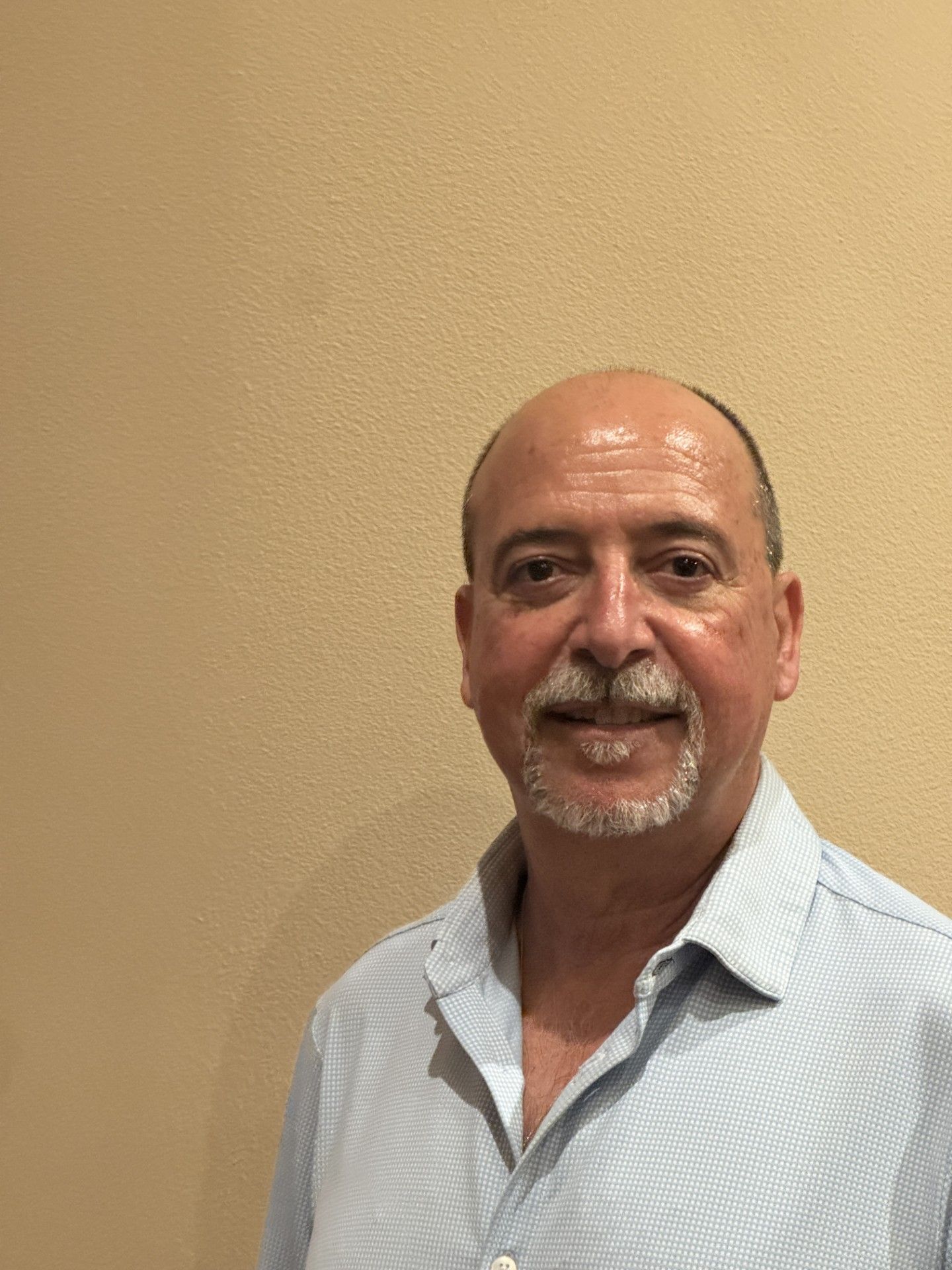
Chrysilios Chrysiliou is a commercial real estate executive at RDPH Properties, Inc. with a diverse background in aviation and entrepreneurship. A former Greek Air Force Academy graduate, flight instructor, and flight school co-owner, he now leverages decades of strategic leadership to identify and develop high-value real estate opportunities.